

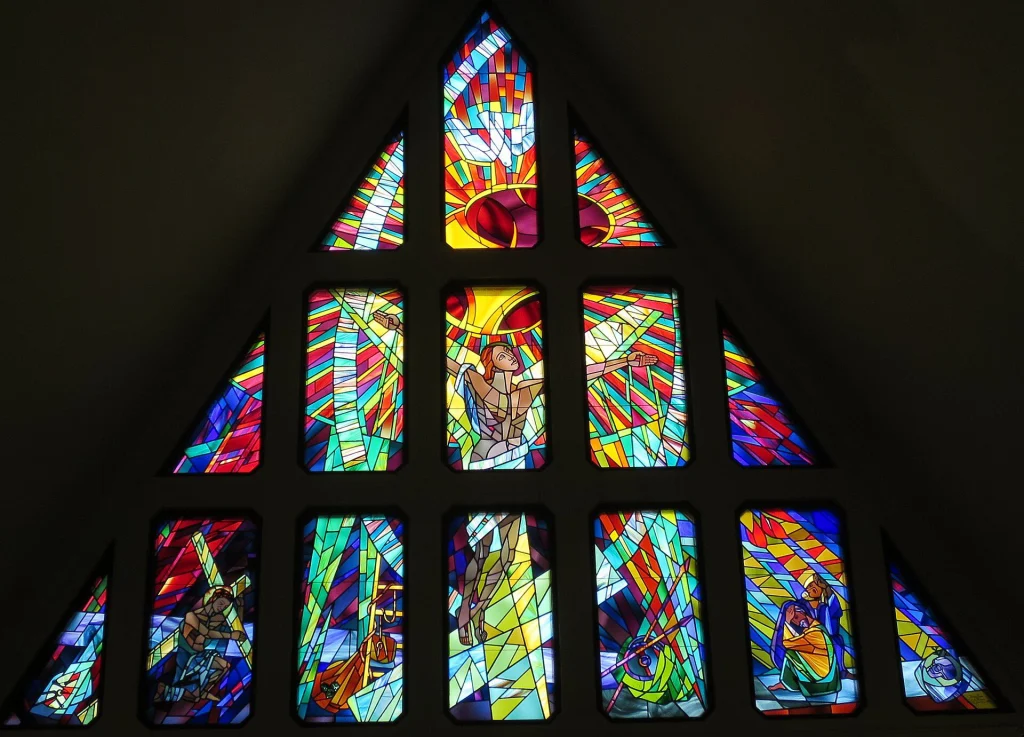
Most small-group studies use only words: a passage, a set of questions, a closing prayer. That’s good, and it’s most of what we do here. But some of the people in your group may pray more easily with their eyes open. The old practice of visio divina, “divine seeing,” is a way to give them room.
Visio divina is a visual cousin of lectio divina, the slow, prayerful reading of Scripture that monks have practiced since at least the sixth century. Instead of beginning with a text, you begin with an image, look at it slowly, and let it lead you into prayer and back to Scripture. It isn’t worship of an image, and it isn’t art appreciation. It’s simply attention, offered to God.
The heavens declare the glory of God. The expanse shows his handiwork. Day after day they pour out speech, and night after night they display knowledge.
Psalm 19:1–2 (WEB)
How to lead it
- Choose one image and one passage. The four pairings below are a good place to start.
- Look in silence for two full minutes. Set a timer; it will feel longer than you expect.
- Ask the group: What did you notice first? What do you keep coming back to?
- Read the passage aloud, slowly, twice.
- Ask: Where does this image meet this word? What might God be saying to me through them?
- Close with a short, honest prayer, spoken or silent.
Four images to begin with
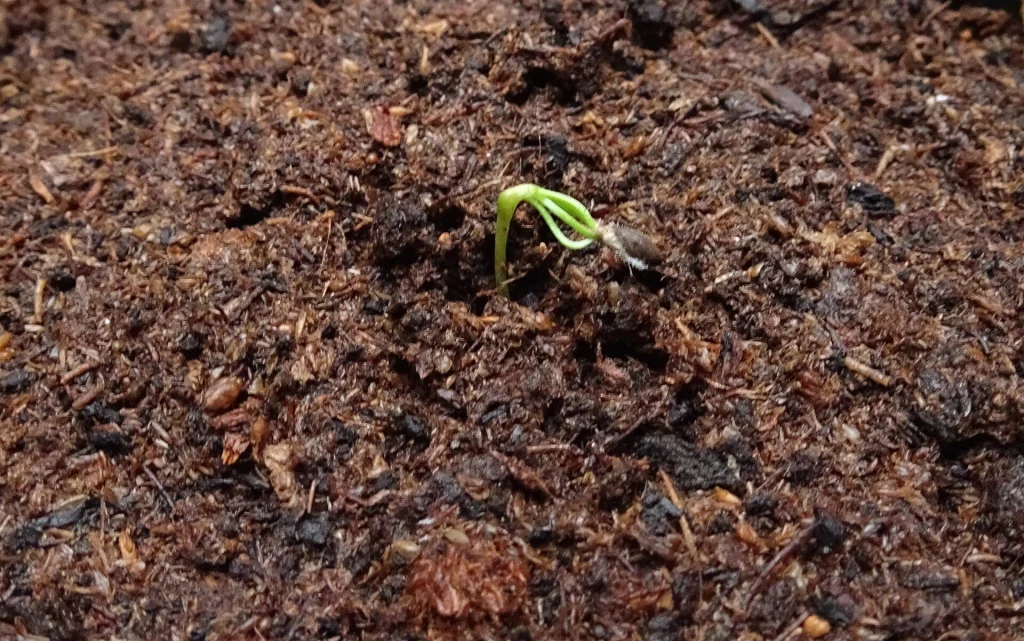
These are four photographs we’ve used with groups, each paired with a passage. Step through them here, or put one on a screen and spend a whole meeting with it.
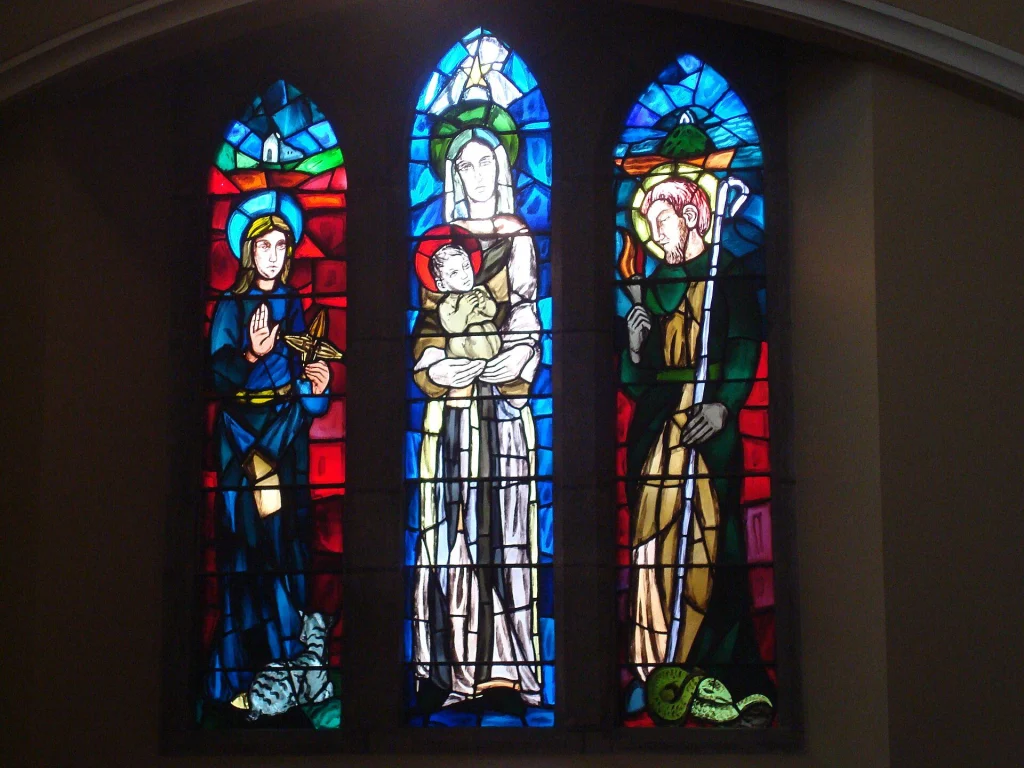
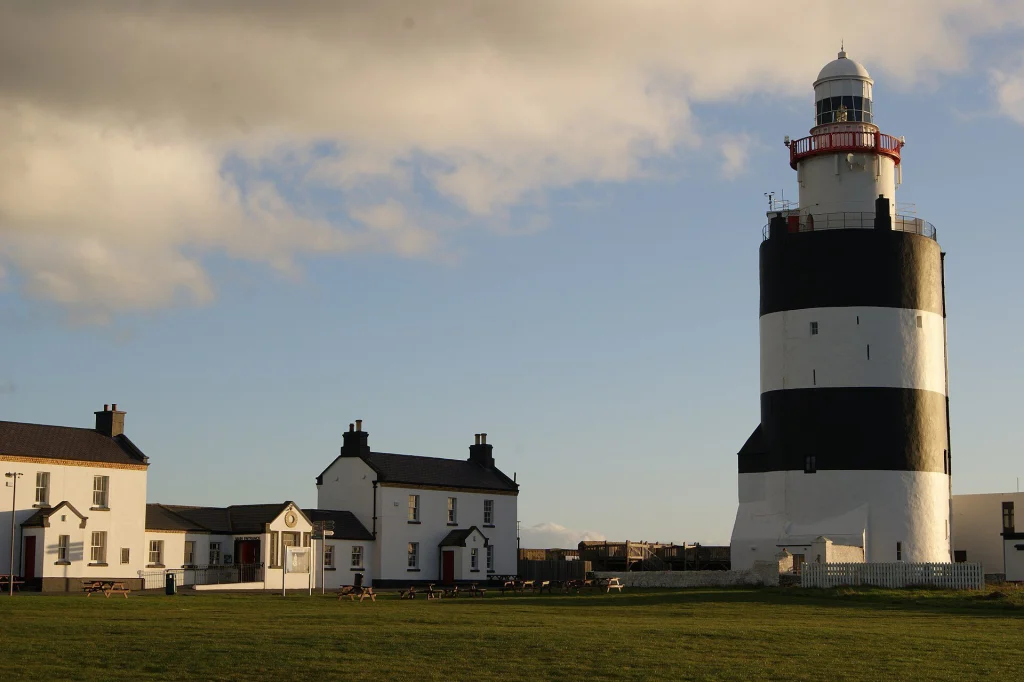
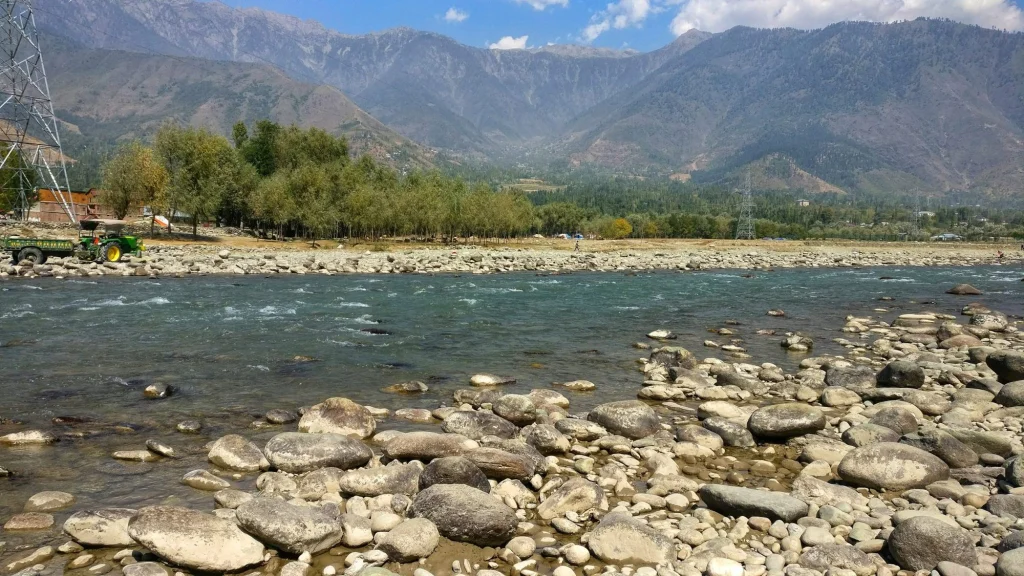
A few cautions
- Don’t explain the image first. Let people see it before you tell them what to see.
- Keep the silence. The first thirty seconds are awkward; the useful part comes after.
- Let Scripture lead. The picture is a doorway, not the destination. If the conversation drifts away from the passage, gently bring it back.
- Not everyone will connect with this, and that’s fine. Try it once a month alongside your usual study.
You don’t need beautiful photographs, either. A window in your own church, a tree outside the meeting room, the view from someone’s back porch: anything you can look at for two minutes will do. The point isn’t the picture. It’s learning to notice, and then to pray about what you notice.